Endometriosis: Symptoms, Diagnosis and How Acupuncture May Help
Each March marks Endometriosis Awareness Month, a time dedicated to raising awareness about a condition that affects millions of women worldwide, yet is still widely misunderstood.
Endometriosis is estimated to affect around 1 in 7 women of reproductive age according to Endometriosis Australia. Despite how common it is, many women spend years searching for answers about their symptoms. Painful periods are often normalised and many women are told their symptoms are, “just part of being a woman.”
If you’ve ever felt that your period pain is more than what others experience, you’re not alone and you deserve to feel heard.
In this article, we’ll explore what endometriosis is, the symptoms to watch for, why diagnosis can take time, and how a holistic approach, including acupuncture and Traditional Chinese Medicine may support women living with this condition.
What is Endometriosis?
Endometriosis occurs when tissue similar to the lining of the uterus grows outside the uterus. These growths can appear on the ovaries, fallopian tubes, bowel, bladder or other areas within the pelvis.
Like the uterine lining, this tissue responds to hormonal changes throughout the menstrual cycle. However, because it sits outside the uterus, it cannot shed normally during menstruation. This can lead to inflammation, irritation and the formation of scar tissue.
Endometriosis is now understood to be a complex condition involving several systems of the body, including:
- hormones (endocrine system)
- immune system
- inflammatory pathways
- nervous system
For some women, symptoms are mild. For others, endometriosis can significantly affect daily life, work, relationships and fertility.
Common Symptoms of Endometriosis
Endometriosis can look different for every woman. Some women experience severe symptoms, while others have very subtle signs.
Common symptoms include:
Painful periods
Period pain that is intense, worsening over time, or interferes with daily life is one of the most common signs. The pain may begin before bleeding starts and continue for several days.
Pelvic pain
Persistent or recurring pelvic pain can occur throughout the menstrual cycle, not just during menstruation.
Pain during or after sex
Deep pelvic pain during intercourse can be a symptom for some women with endometriosis.
Digestive symptoms
Many women experience symptoms that mimic digestive disorders, including:
- Bloating
- Constipation
- Diarrhoea
- Painful bowel movements
These symptoms often worsen around the menstrual cycle.
Fatigue
Chronic inflammation and ongoing pain can leave many women feeling exhausted or depleted.
Fertility challenges
Endometriosis can sometimes affect fertility. Some women only discover they have the condition when investigating difficulty conceiving.
If several of these symptoms resonate with you, it may be worth speaking with a healthcare provider experienced in women’s health.
Why Diagnosis Often Takes So Long
One of the most challenging aspects of endometriosis is how long it can take to receive a diagnosis.
Research suggests the average time to diagnosis can be 7–10 years from the onset of symptoms.
There are several reasons for this delay.
Period pain is often normalised
Many women grow up hearing that painful periods are simply something they must tolerate. As a result, severe symptoms are often dismissed or minimised.
Symptoms vary widely
Endometriosis can affect multiple organs and systems, which means symptoms may appear digestive, hormonal or musculoskeletal in nature.
Diagnosis can be complex
Currently, the only way to definitively diagnose endometriosis is through laparoscopic surgery, which means many women undergo long investigative journeys before receiving confirmation.
Because of these factors, many women spend years searching for answers before they feel truly understood.
How Acupuncture and Chinese Medicine May Help
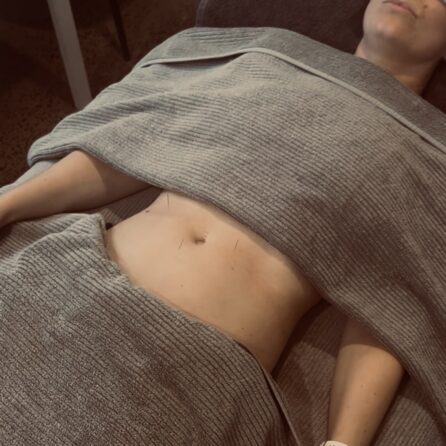
While acupuncture cannot cure endometriosis, it may play a supportive role in helping women manage symptoms and improve quality of life.
Many women seek acupuncture as part of a holistic care approach alongside their medical treatment.
Pain reduction
Acupuncture has been studied for its potential to help reduce pelvic pain by influencing the nervous system and encouraging the release of the body’s natural pain-relieving chemicals.
Improving circulation and reducing inflammation
From both a biomedical and Traditional Chinese Medicine perspective, improving blood flow in the pelvis may help reduce stagnation and inflammation associated with pain.
Hormonal support
Chinese medicine takes a whole-body approach, supporting balance across the menstrual cycle rather than focusing on a single hormone.
Supporting fertility
For women with endometriosis who are trying to conceive, acupuncture is often used to support reproductive health and optimise the body’s environment for pregnancy.
Nervous system regulation
Living with chronic pain can place significant stress on the nervous system. Acupuncture may help promote relaxation and support the body’s ability to move out of a constant stress response.
Lifestyle and Holistic Support
While medical care is essential for managing endometriosis, lifestyle factors can also play an important role in supporting the body.
Anti-inflammatory nutrition
A diet rich in whole foods may help support the body’s natural anti-inflammatory pathways. Many women benefit from increasing:
- Colourful vegetables
- Omega-3 rich foods
- High-fibre foods
- Quality protein sources
Reducing processed foods and excess sugar may also support hormonal balance.
Stress regulation
Chronic stress can influence hormonal and inflammatory pathways. Practices such as meditation, breathwork or spending time in nature can support nervous system balance.
Sleep
Quality sleep is essential for immune function, hormone regulation and pain management.
Gentle movement
Movement that supports circulation without overloading the body can be beneficial. Many women find relief through activities such as:
- Walking
- Yoga
- Pilates
- Stretching
Listening to your body and adjusting activity levels around your cycle can also be helpful.
When to Seek Support
Many women live with severe period pain for years before seeking help.
However, period pain that stops you from going to work, school, or living your normal life is not something you should simply have to tolerate.
If you experience symptoms such as severe menstrual pain, ongoing pelvic discomfort, or fertility challenges, it may be helpful to speak with a practitioner who has experience supporting women with endometriosis.
Working with a healthcare team that understands the condition can make a significant difference in both diagnosis and symptom management.
Endometriosis Awareness Month is an important reminder that women’s pain deserves to be taken seriously.
Although endometriosis can be a complex and challenging condition, many women find meaningful relief through a supportive and integrative approach to care.
If you’ve been struggling with painful periods, heavy bleeding, pelvic pain, or unexplained fertility challenges, know that your experience matters. Seeking support from practitioners who understand women’s health can be an empowering first step toward better understanding your body and finding the care that feels right for you.
You deserve to feel heard, supported and well in your own body.
References & Further Reading
Endometriosis Australia. Understanding Endometriosis. A leading Australian organisation dedicated to education, research, and support for people living with endometriosis.
World Health Organization. Endometriosis Fact Sheet. Provides global information about the prevalence, symptoms, and impact of endometriosis.
Smith CA, Armour M, et al. Acupuncture for dysmenorrhoea and pelvic pain: systematic review evidence. Journal of Obstetrics & Gynaecology research.